Alcohol & Drugs
Questioning your use, wanting to cut back or stop, trying to stay stopped, or working out why you keep going back. Alcohol, cocaine, cannabis, meth, prescription medication and anything else.

Maybe it’s drinking. Maybe it’s drugs. Maybe it’s gambling.
Maybe you’re angry all the time, disconnected from your partner, struggling as a dad, or carrying things from years ago that you’ve never really dealt with.
We work out what’s happening, why it keeps happening and what needs to change.
Who I work with
You may have a job, relationships, children and responsibilities.
From the outside, things may look relatively normal.
But something keeps causing problems.
Areas of focus
Questioning your use, wanting to cut back or stop, trying to stay stopped, or working out why you keep going back. Alcohol, cocaine, cannabis, meth, prescription medication and anything else.
Gambling more than you want to, hiding it, chasing losses, or watching it cost you money and relationships.
Old experiences that shape how you relate, manage emotions, handle conflict, seek approval or protect yourself. Trauma does not need one dramatic event.
Relationships, separation, communication, becoming a father, parenting, emotional availability, conflict, and the pressure of providing for everyone.
Constantly switched on, irritated, numb, restless, overwhelmed or disconnected.
The approach
There are usually two questions worth exploring.
What is happening now?
Why does it keep showing up?
Sometimes therapy is practical. Cravings, gambling urges, communication, boundaries, hard emotions.
Sometimes we go further back. Childhood, relationships, shame, loss, rejection. Old ways of coping still shape how you respond now.
Psychodynamic psychotherapy helps us notice the pattern, not just the behaviour on top.
The goal is not to analyse your childhood forever. It is to understand enough of it to start doing things differently.
“Understanding the behaviour matters. Understanding what drives it matters more.”
Addiction
Addiction rarely makes sense when you look only at the substance or behaviour.
People drink, use or gamble for reasons. Sometimes it quiets anxiety. Sometimes it switches your head off. Sometimes it gives you confidence or relief. Sometimes it just became how you cope.
We work on stopping the behaviour while understanding what keeps pulling you back.
There are plenty of recovery coaches doing valuable work. This is different.
I’m not here to tell you to run your life exactly the way I did. This is clinical counselling and psychotherapy. We look at your behaviour, your history, your relationships and what is happening underneath.
The work is built around you, not somebody else’s recovery story.
The justice system
I work with people at any point in the justice system. Charged, convicted, in custody, or on the way there. I also work with their partners, parents and children, and with people caught up in something they had no part in.
Whatever is on your file stays in the room. You get the same standard of work as anyone else: no judgement and no talking down.
This is not legal advice. It is somewhere to deal with what all of it is doing to you, before, during and after.
The practical bit
You book.
We meet online.
You tell me what has been happening.
You don’t need a prepared story. The first few sessions are about working out what’s going on, what you want to change and what’s feeding it.
From there, therapy might be short-term and focused, or longer-term work on deeper patterns.
No worksheets for the sake of worksheets.
No pretending every problem can be solved with five breathing exercises.
Telehealth
We meet by secure video, anywhere in Australia. You just need a private place and a reliable connection.
More
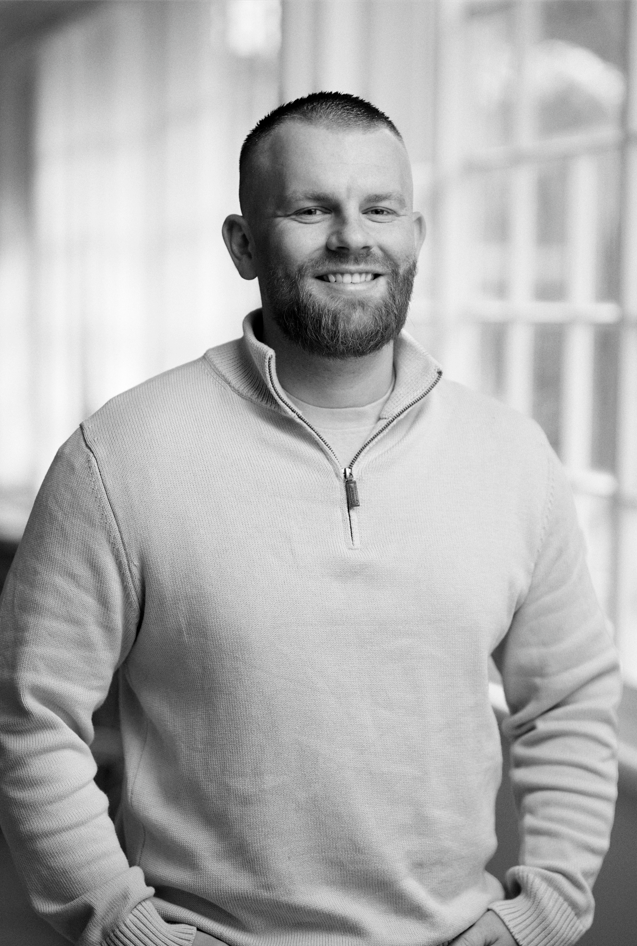

Clinical Counsellor & Psychotherapist
PACFA Registered Clinical Counsellor
PACFA Accredited Clinical Supervisor
I’ve spent years working with alcohol and other drug use, gambling, addiction, trauma and everything underneath them.
I work in a straightforward, conversational way. You don’t need to arrive knowing what to talk about or how to explain it. Working that out is my job.
My work blends practical strategies with deeper psychotherapy. We deal with what’s happening now and make sense of where it came from.
Therapy changes over time. We might start with some really big work. It can be intense, honest and uncomfortable.
Then things may settle. Sessions might become less frequent, pause, or finish while you get on with life.
You might want to re-engage later. You might not. The work should fit what is happening in your life, not keep you in therapy for the sake of it.
Reflective, practical supervision for counsellors, psychotherapists and other helping professionals.
“Supervision should be more than reporting what happened in your sessions.”
A place to think about the client, the work, your own reactions and what sits underneath the surface.
Supervision can draw on psychodynamic thinking, motivational interviewing, trauma-informed practice and addiction work where relevant.
Enquire about supervisionPACFA supervision requirements vary by membership and circumstance. Confirm your current obligations with PACFA, then we can discuss whether the arrangement is suitable.
Payment is due at the time of the session. Cancellation: please give 48 hours’ notice. This policy can be updated before launch.
Private counselling and psychotherapy service. Medicare rebates are not available.
No. People come for many reasons, including relationships, anger, stress, fatherhood, trauma and feeling disconnected.
No. You can start wherever you are. We can talk about what you actually want: cutting back, stopping, or understanding your use.
You don’t need a label to make contact. If something is costing you more than it should, that’s enough to talk about.
Yes. Urges, chasing losses, secrecy, the financial hit, relapse and why stepping away is so hard.
Sessions are confidential, with limited legal and safety exceptions. These will be explained clearly before we begin.
Most people start weekly or fortnightly. We work out what makes sense for you and your life.
Yes. Sessions are held by secure video for people across Australia.
Yes. I work a lot with men, but not only with men.
No. You can make an enquiry directly.
A structured space to think about your clients, decisions, ethics, reactions and direction as a clinician.
Requirements vary by membership and circumstance. Confirm your current obligations with PACFA, then we can discuss whether the arrangement is suitable.
Coming soon.
New material is in development. Details will be added here when it is ready.
Contact
Tell me briefly what has been happening and what you’re looking for help with. That’s enough to start.